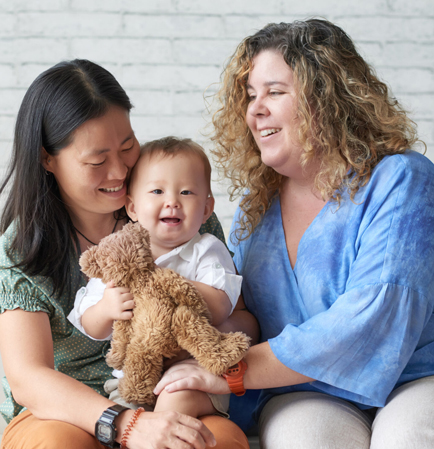



What we offer..

thumb-63
Day Visits

Supports visits for children and family members lasting from 2–4 hours...

• Supports visits for children and family members lasting from 2–4 hours during the day (10am–3pm).
• Encourages parents to engage with children by playing, watching TV, cooking, and outdoor activities.
• Reports on time back to the referring worker.

thumb-63
Overnight Visits

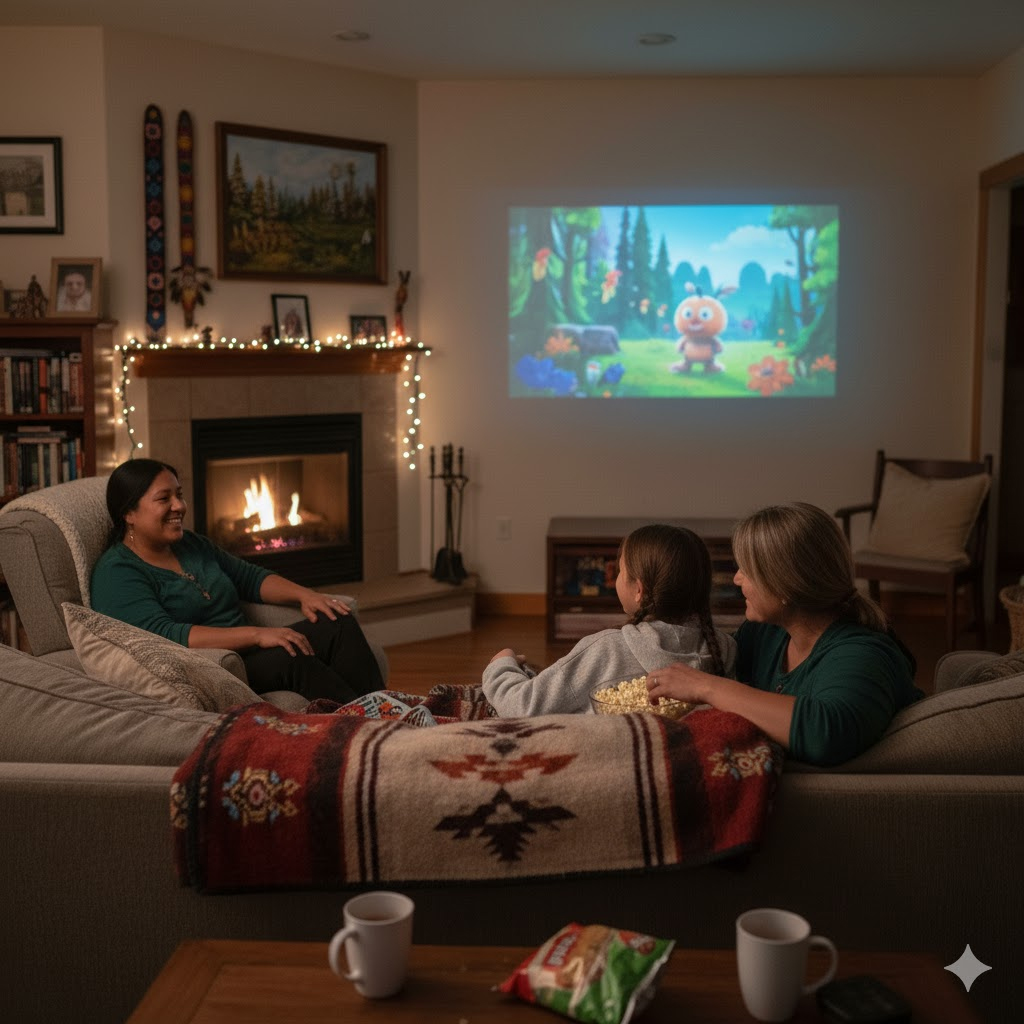
Provide a homely atmosphere and support parents to cook dinner for their children...

• Provide a homely atmosphere and support parents to cook dinner for their children, eat together, sleep together, have some pool time, have a movie night , have some bedtime stories…
• Staff will monitor overnight and keep the family safe
• Staff will supervise outdoor activities and transport the family

thumb-63
Transportation Services

Provide transportation for children and families to attend visits...

• Provide transportation for children and families to attend visits
• Provide transportation for children to their placements
• Provide transportation for children to attend medical appointments and activities

thumb-63
Supervise Outdoor visits

Provide Supervision to Outdoor and In home visits...

• Provide Supervision to Outdoor and In home visits and prepare the visits reports

thumb-63
Supervise Sibling visits

Sibling visits are crucial because they maintain some of the

Sibling visits are crucial because they maintain some of the longest and most emotionally significant relationships in a person’s life, providing emotional support, a sense of identity, and continuity during times of family disruption. Sibling relationships often last longer than parent-child or spousal relationships. Nurturing these connections in childhood increases the likelihood of a supportive relationship continuing into adulthood, where siblings can be a vital source of support. We Supervise these siblings to get into activities together, sleep over, watch a movie together, eat together and experience the intimacy.

shape-30
shape-31

Upcoming Project

thumb
  • Provide Healthcare and Emotional Support
  • Provide Educational and Practical Support
  • Connect them with Government and Community Resources